

“Dirt,” an Arkansas TV Emmy Award-winning original production about the importance of soil conservation, will return to the small screen Thursday, April 15, at 7 p.m. for an encore. Dig into the dirt with farmers across Arkansas as they work to save the soil and find out why this ecosystem is so important.
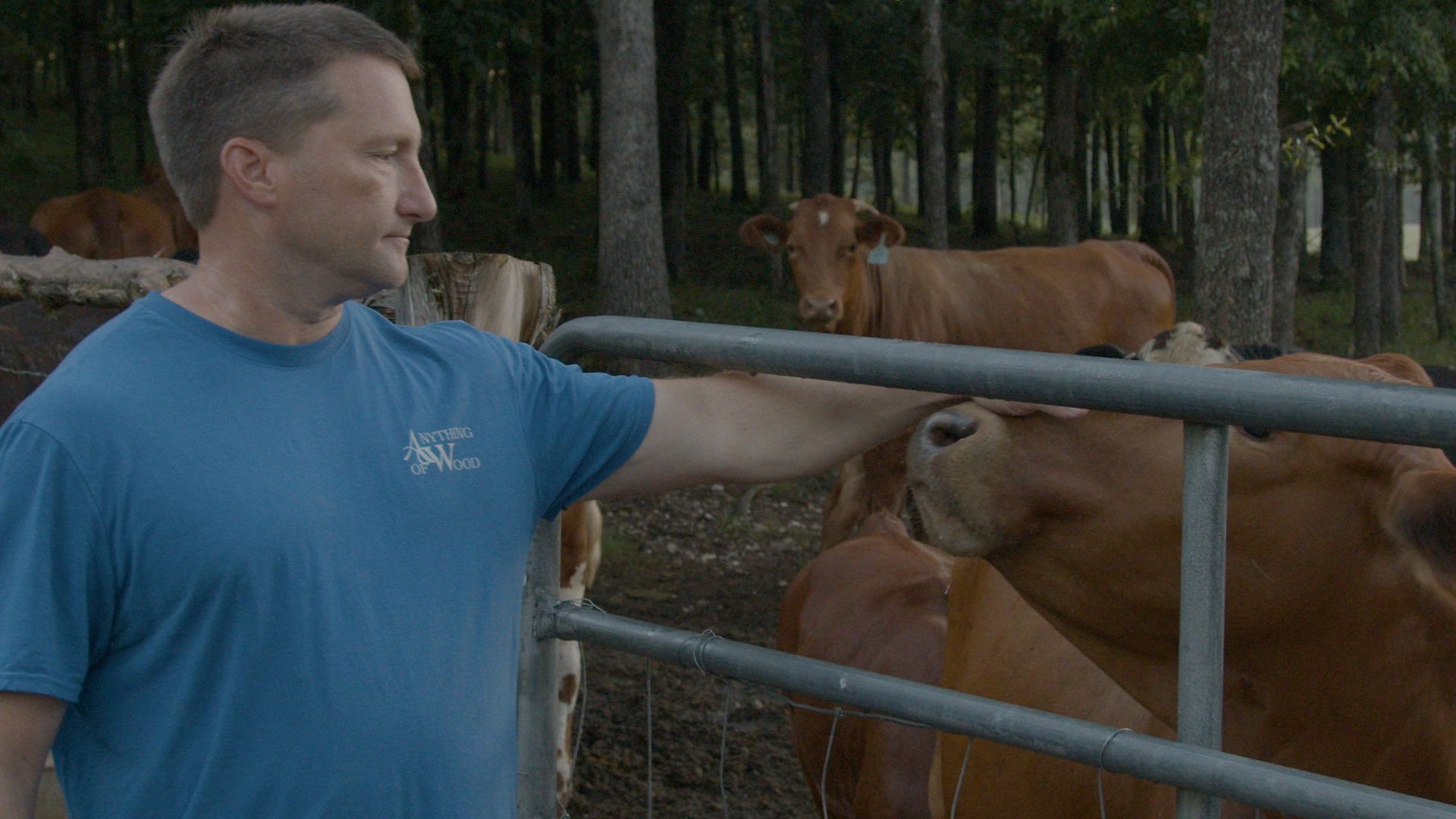
As the world population and food production demands rise, this film explores how Arkansas farmers, ranchers, and others are conserving their soil, water, air and other natural resources, improving their operations, and helping the environment through sustainability methods from the United States Department of Agriculture’s Natural Resources Conservation Service (NRCS). NRCS conservationists provide technical expertise and conservation planning to farmers, ranchers and forest landowners who want to make conservation improvements to their land.
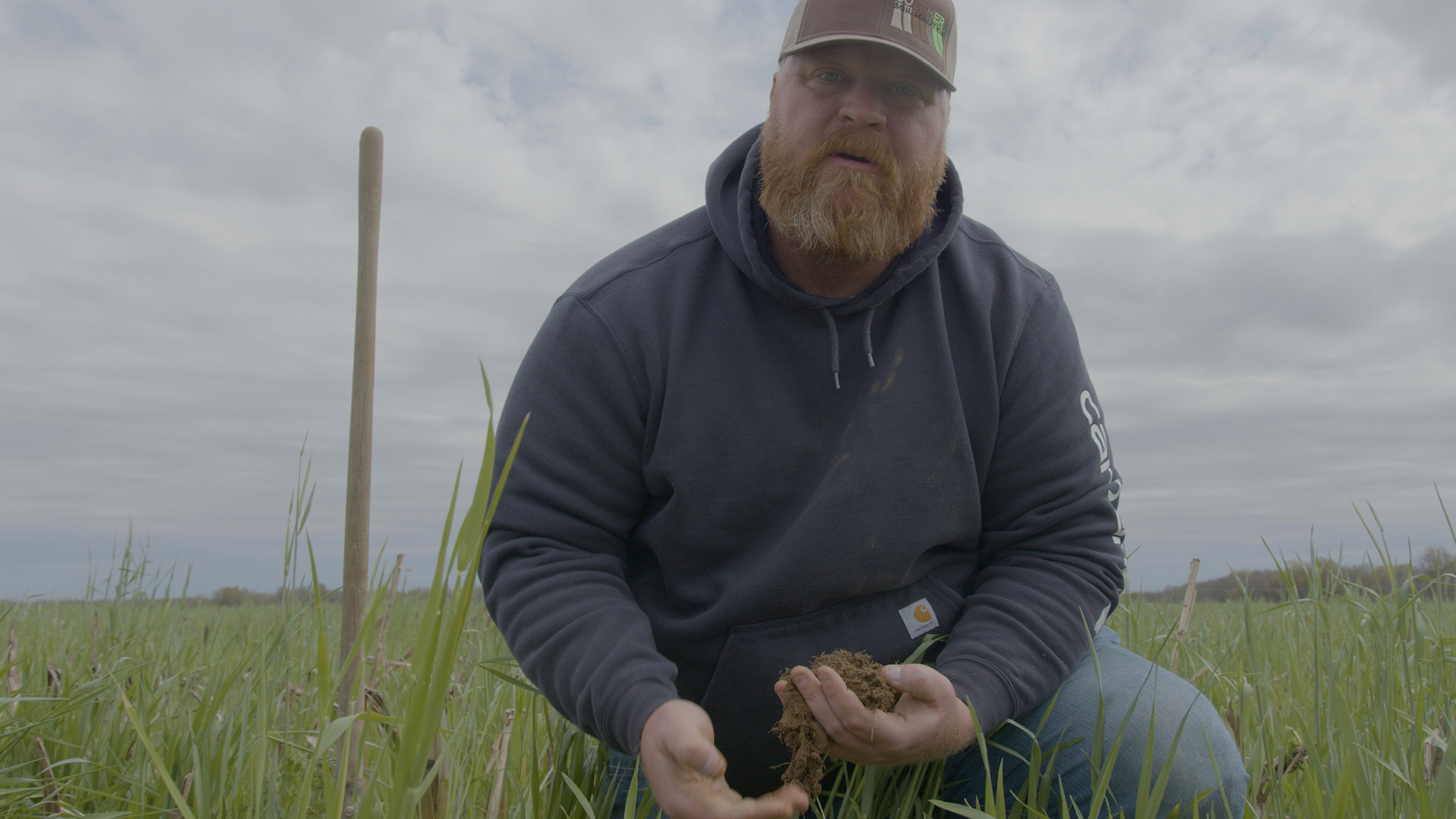
Featured in the film are:
- Margie Raimondo, a Sicilian-American originally from Los Angeles, who owns and operates Urbana Farmstead inside the city limits of Little Rock. She raises chickens and grows vegetables, fruits, and herbs on just over one acre of land. Utilizing high tunnel grow houses, cover crops, crop rotation and micro-irrigation, she can produce many of her crops year-round.
- Raymond Kelley, who spent almost 25 years working for the Safeway and Harvest Foods grocery company and now operates a wholesale produce business as his primary source of income. But, he still runs his cow/calf operation on the side, using managed grazing and making sure the grass recovers before the next grazing rotation to maintain soil health.
- Richard White, who raises cattle near Royal. He didn’t originally intend to be a rancher – he owns a custom cabinetry shop and is also opening a gym. About 3 years ago, White put a few cows on some of his land as an experiment, and now the ranch is official. He uses fenced paddocks and controlled water systems for rotational grazing, installed heavy use areas to control compaction and erosion, and uses biomass plantings to improve his forage.
- Dallas Peebles, a life-long farmer working over 600 acres of land he grew up on near Augusta in Woodruff County. Dallas and his wife Katie produce organic specialty crop vegetables and honey from their on-site hives. They utilize irrigation management, multi-species cover crops, crop rotation, and reduced tillage among other sustainable practices and even maintain 14 acres of pollinator habitat.
- Adam Chappell, who owns and operates an 8,000-acre row crop farm with his brother Seth outside Cotton Plant in East Arkansas. The farm may have been in the family for four generations but the Chappells don’t shy away from innovation to keep their operation sustainable. Utilizing cover crops, animal integration, furrow irrigation and no-till methods have significantly improved the soil health on the farm in the last several years. Adam was a co-founder of the Arkansas Soil Health Alliance and has become a nationally recognized speaker.
- Patti and Donnie Larimer, who aren’t full-time ranchers. Patti owns and operates a childcare center, and Donnie works full-time with the Arkansas Army National Guard. But, that doesn’t mean they aren’t passionate about their goats. They use rotational grazing, controlled water systems and heavy use areas on their small ruminant ranch in Greenwood. Their managed grazing practices contribute greatly to the health of their animals – a herd of almost 200 goats.
- Phillip J. (P.J.) Haynie III, a fifth-generation row crop farmer whose family owns and operates large farms in several states across the country. He has been farming in Arkansas since 2017. With a degree in agriculture and applied economics, Haynie knows that sustainable practices not only conserve natural resources, but also make good financial sense. He is a nationally recognized advocate for Black equity in agriculture serving as Chairman of the National Black Growers Council and has received the honor of being named a White House Champion of Change.
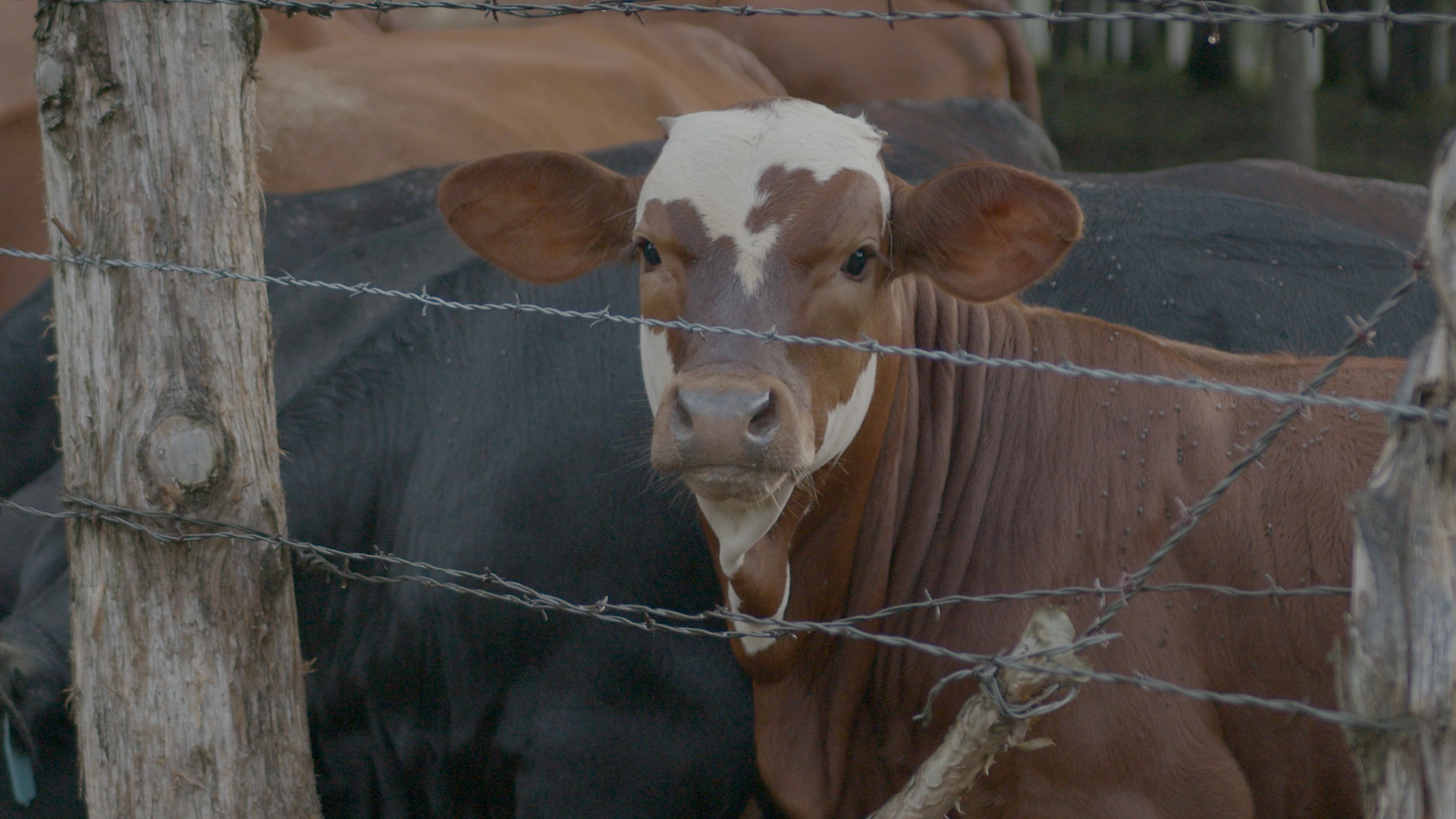
Major funding for “Dirt” is provided by the Pulaski County Conservation District and the United States Department of Agriculture’s Natural Resources Conservation Service in Arkansas.
HOW TO WATCH
Don’t miss the encore of “Dirt” on Thursday, April 15, at 7 p.m., on Arkansas TV or watch live at arkansastv.gov/live.
Listen to episodes of “The Growing Season” here.
Watch segments of “Good Roots” here.